
Biowaste : Depackaging technology tackles contamination crisis
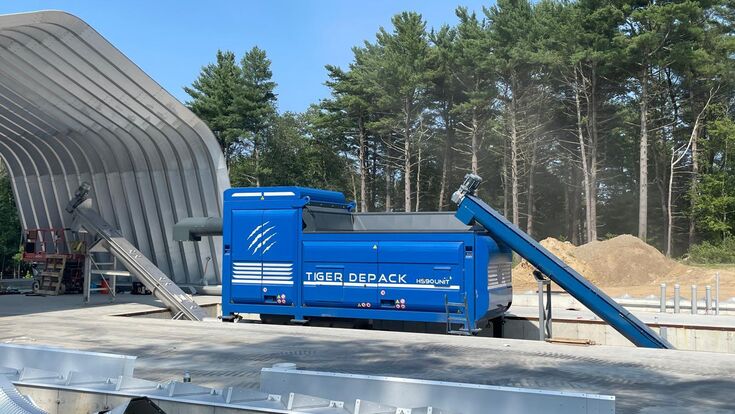
Packaged food waste is flooding into composting and AD facilities, causing a contamination crisis that's hitting operators where it hurts most – their bottom line.
Government food waste regulations and manufacturers creating mountains of off-spec, expired and unmarketable goods are driving this surge. "There is a great deal more packaged food waste being sent to waste management facilities," explains Corey Rossen from Ecoverse, who's seen this trend accelerate across the industry. "In correlation, there are also many more different types of packaging materials arriving at these facilities as well."
The real cost of contamination
For composting operations, even small amounts of plastic and aluminium contamination can devastate product quality and slash sale prices. In AD facilities, contaminated feedstock reduces energy production and forces expensive, time-consuming digester cleanouts that kill profitability.
The economic burden extends beyond product quality issues. Facilities are being forced to invest in multiple items of material handling equipment to manage diverse waste streams arriving by different transport methods. A forklift won't handle what a front-end loader can, so operators need both – multiplying overhead costs.
Current solutions fall short
Right now, facilities are taking one of three approaches: refusing packaged waste, manual separation or mechanical processing. Each has serious drawbacks.
Refusing packaged material might seem like the safe option, but it's leaving massive revenue on the table. Manual separation is slow, tedious work that limits throughput and the types of materials facilities can handle. Many operators are stuck in this inefficient middle ground, unable to capture the full value of available food waste streams, says Rossen.
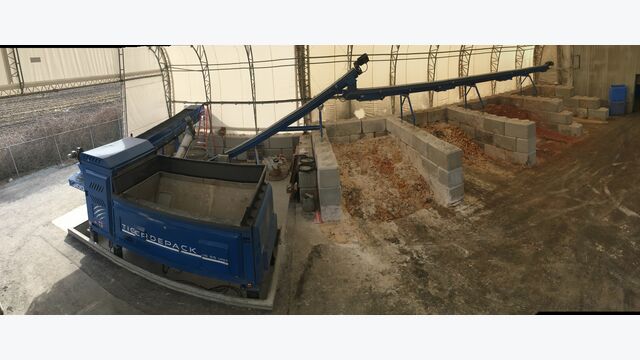
The Tiger Depack fits into compact workspaces and handles virtually every type of food waste stream while requiring just one operator.
- © zVgA game-changing solution
This is where mechanical depackaging systems like the Tiger Depack from Cesaro Mac Import are making a real difference. The numbers tell the story: less than 0.5% contamination in extracted organics, with a 99%+ organic capture rate. For an industry where contamination rates can make or break profitability, those figures represent a fundamental shift in what's possible.
The Tiger Depack fits into compact workspaces and handles virtually every type of food waste stream while requiring just one operator. The separated packaging comes out clean, dry and ready for recycling – turning a waste problem into a revenue opportunity.
The future of food waste management
Packaged food waste volumes will continue to grow because of market demand. According to Rossen, regulations could help by incentivising recyclable packaging materials, but the immediate challenge remains. The operators who invest in proper depackaging technology today are positioning themselves to capture the full value of food waste streams while maintaining product quality.
As Rossen predicts, "depackaging equipment, such as the Tiger Depack, will continue to grow in operational importance, sales/distribution and technological advancements to keep up with the high demands of the food waste management industry."
In cooperation with Cesaro Mac Import.