Waste to Energy : From landfill crisis to energy champion: Bialystok’s WtE plant
When Poland joined the European Union in 2004, it faced a daunting challenge: drastically reduce the amount of biodegradable waste heading to landfills. The EU Landfill Directive was a mandate that would reshape the country's entire approach to waste management.
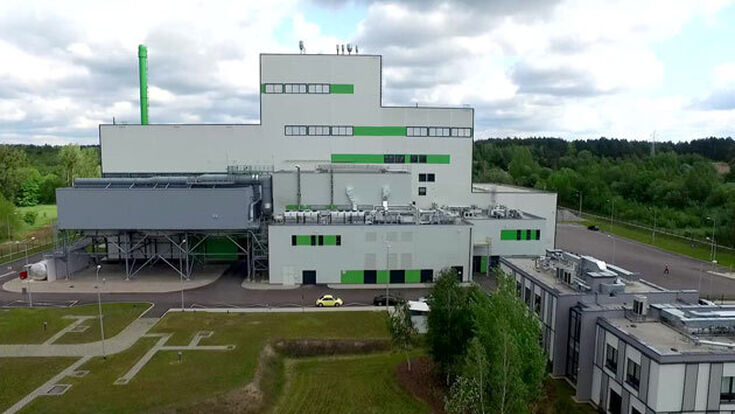
Enter the Bialystok waste-to-energy plant, a project that would become one of Poland's most impressive environmental success stories. Completed in December 2015 after a remarkably tight 25-month construction and commissioning timeline, this facility has proven that innovative technology and smart partnerships can deliver results that exceed expectations.
Impressive numbers
Processing 120,000 tonnes of waste annually, the Bialystok plant has slashed landfill dependency from 90% to just 12%.
During summer months, the plant exports 8.6 MW of electricity to the grid, while winter operations are even more versatile, supplying 17.5 MW of thermal energy to Bialystok's district heating system alongside 6 MW of electricity.
Innovative technology
Behind these impressive numbers lies Keppel Seghers' proprietary technology, featuring an air-cooled SIGMATRIX combustion grate paired with a vertical boiler and a conditioned dry flue gas treatment system. The real test of any WtE technology isn't just its initial performance – it's longevity. After nine years of continuous operation, the plant's combustion grate hasn't required a single tile replacement. In an industry where downtime equals lost revenue and environmental impact, that's remarkable reliability.
The Belgian company brought experience from over 100 WtE projects worldwide to this contract. Working alongside Polish construction giant Budimex and Spanish waste management specialist Cespa, Keppel Seghers handled nearly 50% of the project's scope while providing the critical technological backbone.
Beyond incineration
What sets Bialystok apart isn't just waste burning – it's comprehensive resource recovery. The facility incorporates an advanced bottom ash handling system that extracts ferrous metals, non-ferrous materials and aggregates for recycling. This approach ensures maximum material recovery while minimising environmental impact.
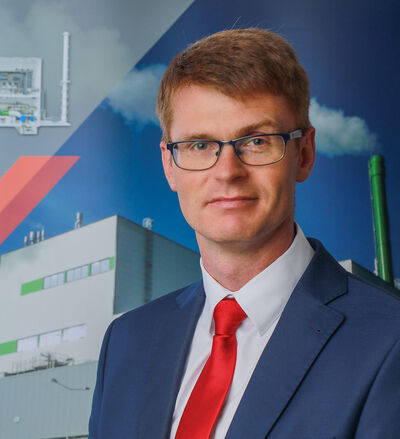
The plant's third and fourth operational years saw availability going above 8,100 hours annually. “This project has been exceptional – from the execution phase right the way through its nine years of operation. This has not been by coincidence. It is the result of creating the right design, choosing high-quality and reliable partners, and continuous follow-up of the operation,” says Krzysztof Tereszczuk, Business Development Manager.
A model for European integration
Nine years on, Bialystok proves that EU environmental directives can drive innovation, not just compliance. The plant demonstrates that meeting European standards enhances rather than undermines economic viability – offering a proven roadmap for regions facing similar waste management challenges.
In cooperation with Keppel Seghers.