
Closing the Loop : Raising awareness to strengthen glass recycling circularity
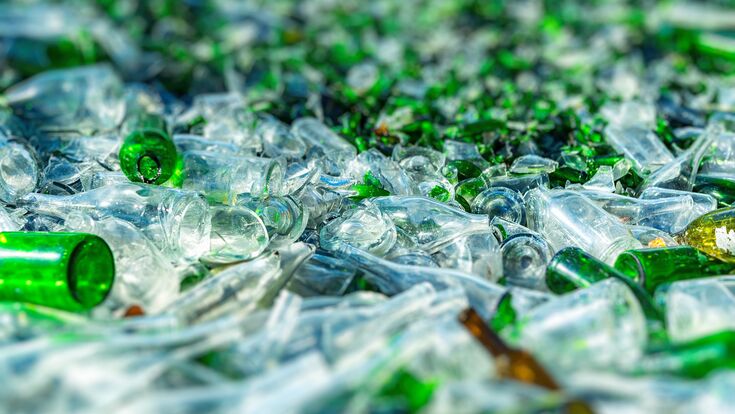
Glass is Europe's most recycled food and beverage packaging material, with an average collection rate currently standing at around 80% across the continent. Yet there remains clear room for improvement, and the hospitality sector sits at the heart of the challenge. Restaurants, bars, cafés, hotels and other venues collectively consume and discard approximately three million tonnes of single-use glass beverage packaging every year, representing close to 20% of Europe's total glass recycling potential. In some countries and major tourist destinations, the sector's share is even higher.
It is against this backdrop that Close the Glass Loop — the European action platform for glass packaging collection and recycling — has launched a Europe-wide awareness campaign specifically targeting the HORECA sector. The initiative, unveiled in Brussels on 29 January 2026, aims to improve both the quality and the quantity of glass packaging collected for recycling across commercial premises, with a particular focus on a problem that may appear minor but carries significant downstream consequences: the contamination of glass collections with ceramics.
Consciousness-raising through "The Sound of Glass"
At the centre of the campaign is a short video entitled The Sound of Glass, designed to communicate a simple but critical message to hospitality operators: glass and ceramics can share the same table, but they most certainly do not belong in the same bin.
The campaign will be rolled out through Close the Glass Loop's network of 13 national platforms, reaching more than two million HORECA businesses across the EU and the UK. "Through this campaign, we will work closely with our network of partners at national level to reach more than 2 million HORECA businesses across the EU and the UK. Each year, these operators consume and discard approximately three million tonnes of single-use glass beverage packaging," said Carlo Pirrone, Secretary General of FEVE – the European Container Glass Federation. "Improving the quality of collected glass remains a key priority for the glass packaging industry, as it is essential to ensure a reliable supply of secondary raw materials for bottle-to-bottle recycling."
Contamination: The hidden threat to circular material flows
The reason ceramics pose such a serious problem lies in the glass recycling process itself. Once collected, one-way glass packaging is processed into cullet — crushed recycled glass — which is then remelted in furnaces to produce new glass containers. Ceramics behave very differently from glass at high temperatures, and even small quantities finding their way into the cullet stream can damage furnaces and compromise the quality of the final product.
"Even small amounts of ceramics can disrupt the recycling process," added Rene Schroeder, Secretary General of FERVER – the European Glass Recyclers' Federation. "Separating glass from unwanted waste fractions, such as ceramics, at source is the most effective way of ensuring closed loop recycling of glass packaging. This will translate into a high-quality cullet in the furnace. We are convinced such a campaign will help explain why proper separation at source in high-volume environments like HORECA really matters for glass recyclers."
This is why source separation — rather than sorting at a later stage — is considered so important. In a high-volume environment such as a busy restaurant or hotel bar, habits and practices around waste separation can have a measurable impact on the quality of thousands of tonnes of collected glass.
Completing the circularity journey
Close the Glass Loop, which brings together 16 European associations representing the entire glass value chain — from product sectors and glass manufacturers to recyclers, extended producer responsibility organisations, municipalities and the hospitality sector itself — has set an ambitious collective target of achieving a 90% glass packaging collection rate for recycling across the EU by 2030.
Reaching that target will require the active participation of the hospitality sector. The Oakdene Hollins study commissioned by Close the Glass Loop in 2023 provided, for the first time, detailed market data on HORECA establishments across Europe and estimated the share of glass-packed products consumed in the hospitality channel — research that has informed the development of more targeted solutions for the sector.
The current campaign builds directly on that evidence base and has been developed in close cooperation with HOTREC, the Association of Hotels, Restaurants & Cafés in Europe. "High-quality glass recycling depends on effective separation at source and collection. Hospitality businesses play a decisive role in making this happen. With staff training and initiatives such as Close the Glass Loop, we can strengthen hospitality's contribution to a competitive and circular European economy," declared Marie Audren, Director General of HOTREC.
Strengthening the loop, one venue at a time
The campaign video will be made available to national partner organisations to support tailored communications at country level, allowing the message to be adapted to local contexts and regulatory frameworks. This reflects Close the Glass Loop's broader model: a pan-European platform that works through national networks to achieve change on the ground.
The task is not a small one. Two million hospitality businesses across the EU and the UK represent a vast and geographically dispersed sector. Yet the potential rewards — in terms of a more reliable supply of high-quality cullet, reduced furnace damage, and greater overall circularity in the glass packaging chain — are equally substantial. For waste management professionals and glass recyclers alike, the message of this campaign is one well worth amplifying.