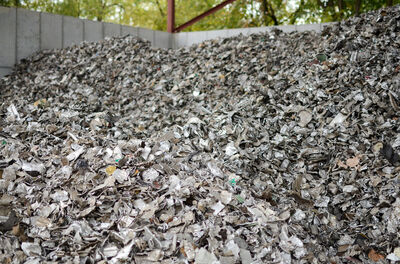
Metal Recycling : Waste sorting excellence: Conservit's path to high quality and efficiency
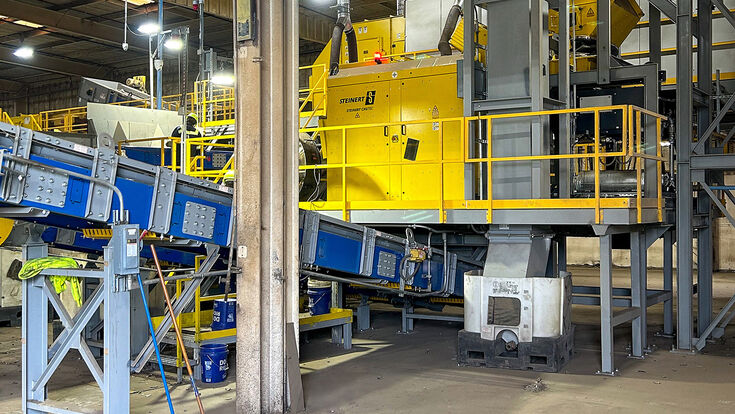
Conservit has been relying on STEINERTs sorting systems for years, such as the STEINERT CHUTEC for sorting non-ferrous heavy metals.
- © STEINERTFor more than five decades, Hagerstown, Maryland-based Conservit Inc. has maintained its position as a forward-thinking leader in the metals recycling industry. The company's success story centers on its strategic partnership with STEINERT, a relationship that has evolved from a single equipment purchase into a comprehensive sorting solution that continues to drive growth and profitability.
Superior material processing through advanced technology
The foundation of Conservit's transformation began when Vice President-Nonferrous Sam Metzner recognized the need to upgrade an outdated nonferrous recovery plant. STEINERT's winning proposal stood out based on three critical factors: cost, performance, and equipment quality.
"It is still running today as well as it did when it was installed," recalls Metzner of the initial STEINERT installation. "From day one, it has run extremely well." This early success established the groundwork for what would become a long-term technology partnership.
The measurable performance gains convinced Conservit's leadership to expand their STEINERT fleet. "Based on performance and recovery rates we receive from STEINERT's machines, we have continued to add more and more machines over the years," Metzner explains.
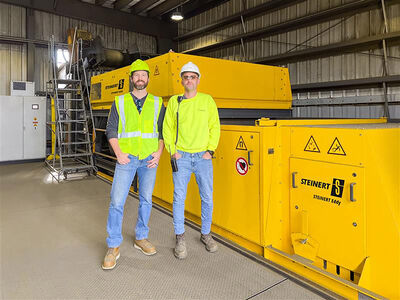
Operational excellence through reliable performance
Conservit's commitment to STEINERT technology intensified in 2021 with the addition of high-end sorting machines designed to refine mixed metals from the nonferrous plant. This expansion opened new opportunities in the domestic market for high-grade mixed shredded metals, which Metzner describes as "an important next step."
The company's loyalty to STEINERT stems from three fundamental advantages that directly impact operational success. According to Metzner, these include the equipment's ability to minimize downtime, exceptional durability and longevity, and a level of customer service that is "not really common these days."
Equipment longevity has proven particularly impressive. The lifespans of Conservit's early STEINERT machines remain unmatched in the company's experience. "I think that's impressive and speaks a lot for the equipment," Metzner notes. In an industry where "any downtime is money lost", the ruggedness of STEINERT equipment provides crucial operational stability.
Premium output quality through precision engineering
The effectiveness of Conservit's sorting operation became evident during a recent benchmarking exercise. STEINERT worked with the company to analyze shredded mixed metals from another operator who owned nearly twice the number of sorting devices compared to Conservit's equipment.
The results revealed 4-12 percent metallics in the submitted auto shredder residue (ASR) that the customer had been "throwing away." This finding highlighted the superior recovery capabilities of well-maintained, properly operated sorting systems.
Ross Meadema, Conservit's long-time STEINERT contact, attributes much of this success to the recycling company's operational excellence. "Their facility, the way it's maintained and run, and the people working there are top notch," he explains.
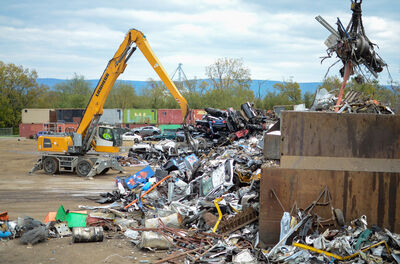
Streamlined operations through strategic partnership
The relationship between STEINERT and Conservit extends beyond equipment supply to include ongoing operational support. STEINERT conducts quarterly assessments of equipment and system performance, ensuring optimal operation and identifying improvement opportunities.
"The communication front has been helpful to us," Metzner says. "When we have an issue, we get the answer that we need. That has been a big driver as far as continuing to do business with STEINERT and building a strong relationship."
This comprehensive approach has transformed Conservit's capabilities. According to Metzner, the company "went from a smaller, outdated nonferrous sorting plant to a modern and successful nonferrous plant."
Industry impact and future outlook
Conservit's success with STEINERT technology demonstrates the potential for operational transformation in the recycling industry. The combination of reliable equipment, strategic planning, and strong vendor partnerships creates a foundation for sustained growth and profitability.
The company's experience illustrates how investments in proven sorting technology can unlock new market opportunities while improving material recovery rates. As Metzner concludes, "We have a lot of trust in STEINERT and Ross. We feel valued as a customer. We've been happy with Steinert, and its equipment has done really well for us."
For recycling operations seeking to modernize their facilities and expand their service capabilities, Conservit's journey with STEINERT provides a compelling example of how strategic technology partnerships can drive both operational excellence and business growth in the competitive waste management industry.