
Interview with CIWM's Dan Cooke : World Environment Day 2026: Why resource management is climate action's underrated lever
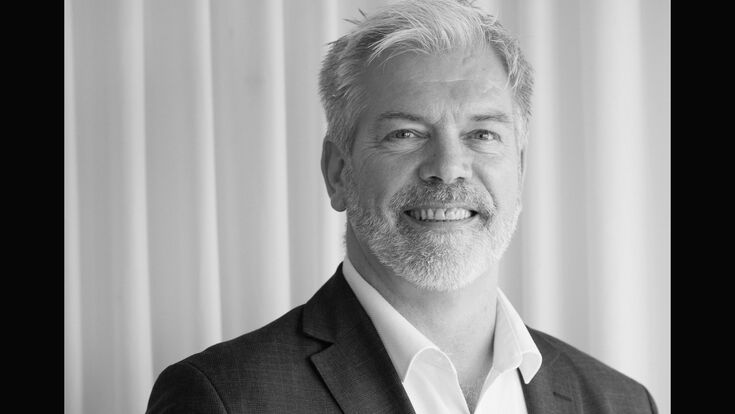
Dan Cooke, Director of Policy, Communications and External Affairs, CIWM
- © CIWM
This year’s World Environment Day, on 5 June, is about climate — the signals the Earth is sending us, and the ones we send back. Hosted by Azerbaijan in Baku, UNEP’s #NowForClimate campaign points to the wins already taking root: solar on rooftops, wind on the horizon, cities being rebuilt around people. The point is simple. Change isn’t a question of if anymore. It’s a question of how fast.
Waste and resource management belongs right in the middle of that conversation — even if it rarely gets the credit. Nearly half of global greenhouse gas emissions come from digging up and processing materials, fuels and food. So keeping what we’ve already got in use isn’t a side issue; it’s one of the biggest climate plays going. To mark the day, WMW asked Dan Cooke of the Chartered Institution of Wastes Management (CIWM) where the sector really stands, what the UK’s circular economy actually looks like once you check the numbers, and how the rollout of Simpler Recycling and mandatory food waste collections is shaping up.
World Environment Day 2026 is all about climate action. How significant is waste and resource management's contribution to that agenda — and is it getting the recognition it deserves?
Waste and resource management plays a critical role in climate action, although its contribution is not always fully recognised. The sector has already helped reduce emissions through measures such as diverting biodegradable waste from landfill, capturing methane and recovering energy from residual waste. But the greatest opportunity lies in how we manage resources. Nearly half of global greenhouse gas emissions are linked to the extraction and processing of materials, fuels and food, highlighting the importance of a more circular economy. By keeping materials in use for longer and reducing demand for virgin resources, effective resource management can help avoid emissions across the wider economy, not just within the waste sector itself.
The UK has been committed to the circular economy for some time now. Where do you genuinely stand on that transition, and what does the data tell us?
The UK has made real progress in embedding circular economy principles into policy and business decision-making, with reforms such as Extended Producer Responsibility and Simpler Recycling helping to create the conditions for change. However, there is still significant untapped potential. Estimates suggest the UK economy is only around 7.5% circular, meaning there is considerable scope to keep more materials in productive use and extract greater value from the resources we already have.
The next phase will be about delivery — through policy certainty, investment in infrastructure, stronger collaboration across supply chains and developing the skilled workforce needed to support a more circular economy.
Mandatory separate food waste collections are now in place for households across England. How meaningful is that for the UK's overall emissions reduction targets?
Mandatory separate food waste collections are a genuinely significant step forward. Food waste is one of the most important waste streams to target because, when managed incorrectly, it can generate harmful greenhouse gas emissions. Collecting it separately helps divert biodegradable waste from disposal, reducing emissions and enabling that material to be used productively through processes such as anaerobic digestion, which can generate renewable energy and valuable products for agriculture.
This is also a more significant change than many people realise. Until recently, only a little over half of English local authorities offered separate food waste collections, and coverage was often limited for some property types. Creating a consistent national approach will help increase recycling rates, reduce emissions and support the UK's wider climate ambitions.

Simpler Recycling went live for all households in March. What is CIWM seeing in terms of early implementation: where is it working well, and where are the challenges?
It is still early to draw firm conclusions, but the initial signs are encouraging. Simpler Recycling is helping to create greater consistency in household recycling services and reduce the confusion that has existed for many years around what can and cannot be recycled. That consistency is essential if we want to improve recycling rates and material quality over the long term.
The main challenge is implementation at scale. Delivering these reforms requires investment in vehicles, containers, treatment capacity and skilled people, all of which take time to put in place. The fact that some local authorities have needed additional time to introduce separate food waste collections highlights the scale of the task. CIWM is working with Defra through the Change Network to support implementation, share best practice and help ensure the reforms deliver their intended benefits.
The World Environment Day campaign talks about positive tipping points — solar, wind, cities being redesigned. Are there equivalent moments of genuine progress in waste and resource management that stand out for you?
Yes, and perhaps the most encouraging development is a shift in how we think about resources. Increasingly, businesses and governments are recognising that waste is not simply something to be managed, but a source of value that can help reduce emissions, strengthen supply chains and support economic growth.
We're also seeing circular economy principles move further into the mainstream. Reforms such as Extended Producer Responsibility are helping to create stronger incentives to design products and packaging with reuse and recycling in mind, while businesses are increasingly recognising the value of securing materials through more circular approaches. Another positive trend is the growing level of international collaboration, with countries increasingly sharing knowledge and best practice to accelerate progress towards a more circular economy.
CIWM is hosting the ISWA World Congress in London this November. What does the UK have to learn from other countries on waste governance — and what can it teach them?
One of the most valuable aspects of the ISWA World Congress is the opportunity to bring together countries at very different stages of their waste and resource management journey. In some parts of the world, the priority remains establishing safe, effective waste management systems that protect public health and the environment. In others, the focus is increasingly on resource efficiency and circular economy solutions.
The UK has much to learn from international best practice, but also a great deal to share through its experience of policy development, professional standards, skills development and resource management innovation. The Congress themes – human rights, political commitment, waste planning, the economics of waste and resource management, and the circular economy – are all areas where the UK can both learn from international experience and share its own expertise. Hosted by CIWM, the Congress provides a unique platform for global collaboration, knowledge sharing and accelerating progress towards a more sustainable and circular future, reflecting our commitment to supporting the sustainable management of waste and resources both in the UK and internationally.