
Healthcare waste : Healthcare plastic waste crisis: Less than 5% recycled
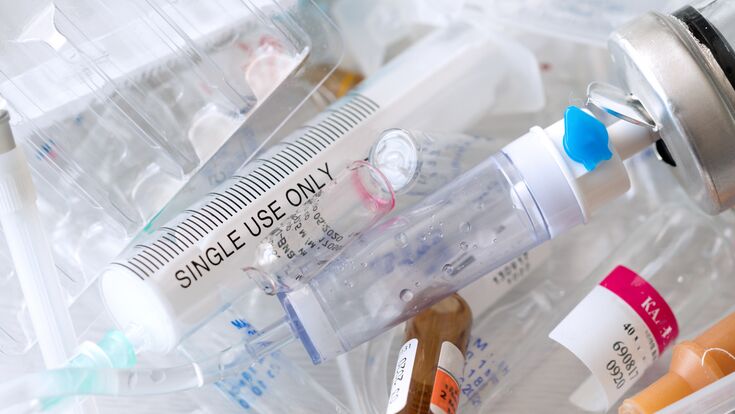
A new report from Eunomia and Systemiq reveals that less than 5% of plastic healthcare waste undergoes mechanical recycling in North America and Europe, despite healthcare systems generating over 2 million metric tons of single-use plastic waste annually.
The sector's heavy reliance on single-use plastics stems from low virgin material costs, sterility requirements, regulatory exemptions and fragmented system responsibility. Without intervention, the report warns that annual healthcare plastic waste volumes could surge 35-40% by 2040, generating 4.3 million metric tons of CO2-equivalent emissions and pushing hospital costs beyond $76 billion yearly.
However, the report identifies five circular economy strategies that could transform healthcare waste streams:
- refusing unnecessary use,
- reusing durable alternatives,
- substituting with compostable materials,
- improving recycling through better design and segregation,
- and procuring low-emission plastics from biobased sources.
If scaled effectively, these interventions could cut single-use plastic waste by 53% and reduce emissions by 55% by 2040, delivering $18 billion in annual savings. For waste management companies, this represents a massive opportunity to develop specialised healthcare recycling programmes and consultation services to help health systems transition towards more sustainable practices.