
Veolia advances the Circular Economy : UK's first closed loop plastics recycling facility launches with £70m investment
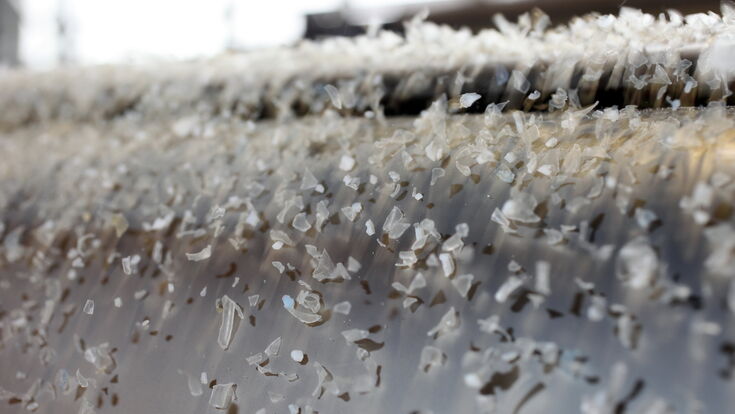
Veolia is investing £70 million to transform a disused industrial facility in Battlefield, Shropshire, into a state-of-the-art plastics sorting and recycling operation. The facility, set to become operational by early 2026, will address a critical gap in the UK's recycling infrastructure by processing PET trays into food-grade materials—a technology previously unavailable domestically due to stringent quality standards.
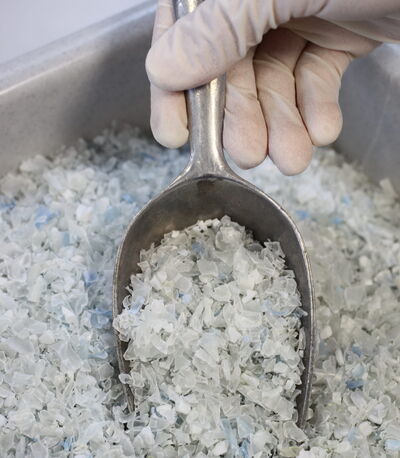
The innovative Shrewsbury facility will process approximately 80,000 tonnes of mixed plastics annually, collected from homes and businesses across the country. Through advanced shredding, washing, and flaking processes, PET plastic from trays and bottles will be transformed into food-grade, low-carbon packaging materials.
Advancing the circular material flow
The facility is projected to deliver substantial carbon emission reductions, with recycled plastic potentially saving up to 70% of the CO2 emissions typically associated with virgin material production.
The announcement coincided with French President Emmanuel Macron's state visit to the UK, highlighting the international significance of this sustainable development initiative. The project forms part of Veolia's broader £1 billion investment commitment in the UK by 2030, demonstrating the company's long-term dedication to resource recovery and environmental stewardship.
Economic and environmental impact of sustainable processing
Beyond environmental benefits, the facility will create over 130 permanent local jobs, with additional construction employment during the site upgrade phase. This job creation comes at a crucial time for the plastics recycling industry, as several market players have exited due to low end-market demand and macroeconomic challenges.
Estelle Brachlianoff, Chief Executive Officer of Veolia, said: "This announcement marks a major milestone for the UK recycling industry and a key pillar of Veolia's GreenUp plan to drive sustainable resource management. By becoming the first company in the UK to recycle PET trays through a fully closed-loop process, we are reinforcing our leadership as a pioneer of the circular economy. This innovative facility not only advances our commitment to reducing waste and carbon emissions but also positions us to meet the growing demand for effective recycling as Simpler Recycling legislation comes into effect, ensuring more of this material is responsibly recycled for years to come."
Market potential and policy considerations
The UK's plastic packaging market presents significant growth opportunities, with 2.2 million tonnes of plastic packaging placed on the market annually. Gavin Graveson, Chief Executive Officer of Veolia UK, emphasized the strategic importance of domestic recycling capabilities: "At this critical time for the plastics recycling industry, with a number of players exiting the market due to low end market demand and macroeconomic concerns, it is crucial that the UK has innovative domestic recycling facilities. There is significant potential to grow the plastic recycling market, with 2.2 million tons of plastic packaging placed on the market each year in the UK. Building a world-leading, profitable circular economy is essential—not only to create jobs but also to support the nation's net zero ambitions. We would welcome the UK Government's support in maintaining this momentum with the right incentives, including a timely and meaningful escalation of the current Plastic Packaging Tax."
Broader sustainability initiatives
The Shrewsbury facility represents just one element of Veolia's comprehensive approach to resource management. Other concurrent investments include extending district heating networks to 5,000 homes in Southwark, utilizing heat from the SELCHP energy recovery facility, and developing processes for solvent recovery and hazardous waste treatment.
Additionally, Veolia has launched a new treatment process for aqueous film forming foam (AFFF) fire suppressants containing PFAS substances, addressing regulatory requirements ahead of the UK ban that took effect on July 1, 2025.
This landmark investment positions the UK at the forefront of recycling innovation while addressing critical infrastructure needs in the transition toward a sustainable, circular economy for plastic materials.
