
ISWA 2025 : ISWA World Congress 2025: Argentina is ready for the global waste management industry
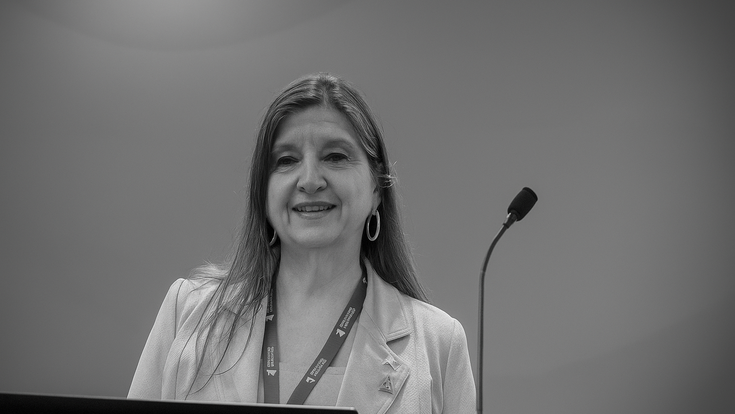
What does it mean for Latin America to welcome the waste management industry's leading global event?
It is the second ISWA World Congress held in Argentina - the first one was in 2000—and we are delighted to host it again. It is really important for us. In my particular case, I have been working in this sector for 30 years. We think it is wonderful that people of the region can have the opportunity to listen, ask questions in person and share experiences with other countries, to understand new technologies and practices they themselves use.
Extended producer responsibility, organic waste treatment, and textile waste management are highlighted as the main congress topics. Why were these three areas chosen as the primary focus?
First, extended producer responsibility is based on the idea that whoever generates waste is also responsible for it. When production is responsible, it ensures traceability throughout the products’ life cycle, which helps reduce mismanagement and allows materials to be reinserted into the circular economy.
The second topic, organic waste, is currently one of the main challenges because it produces methane gas, a greenhouse gas, and in many countries, there are still open dumps where this type of waste is not treated.
Finally, in terms of textile waste, the overproduction of unsold materials highlights the need to find ways to turn that surplus into new inputs for future production.
With the Global Plastics Treaty negotiations continuing without resolution, what role do you see industry events like this playing in advancing practical solutions to plastic waste?
Whatever is discussed and presented at the Congress has little effect if it is not properly communicated to all the actors involved. Everyone attending already believes in what we are doing here. The real challenge is to make sure these ideas reach beyond the event and turn into real action.
From your perspective, organising this event, what are the most pressing challenges facing the waste management sector globally right now?
The main challenge is to find a new financial model, because the waste treatment is very expensive and municipalities don’t have enough funds. According to the public policies, they must prevent people’s bad practices with their waste and communicate to them how important it is.
The program includes technical site visits alongside the traditional plenary sessions. What can attendees expect to see in Buenos Aires, and what makes these on-the-ground experiences valuable?
We want to show how we are doing the treatment in a big landfill and other systems, taking in consideration/into account the big differences between countries for many reasons. For some visitors, they will be more advanced and for others, not so much.
You're bringing together policymakers, researchers, industry leaders, and waste management professionals from around the world. What kind of cross-sector collaboration are you hoping will emerge from these three days?
I think, for us, a successful Congress if the actors involved bring their positions closer together and create more and better paradigms.
The circular economy is central to ISWA's mission. How do you see a congress like this accelerating the transition from our current linear systems to truly circular ones?
This particular activity is key. If only we could show knowledge and raise awareness to the public target, because unfortunately, those who make the change are not part of these events.